Preparations and Devotion: A Day Before Maha Shivaratri at Pashupatinath
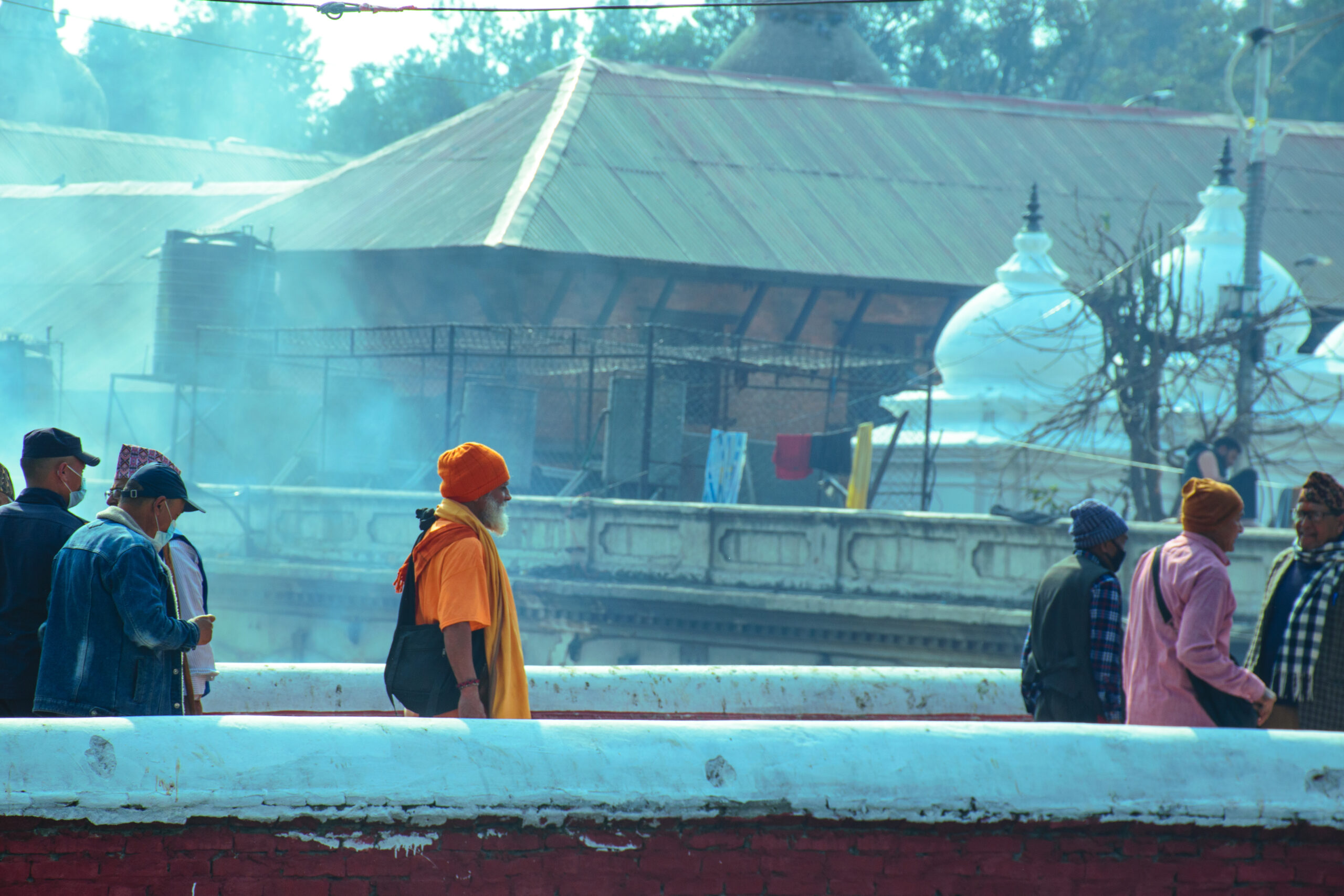
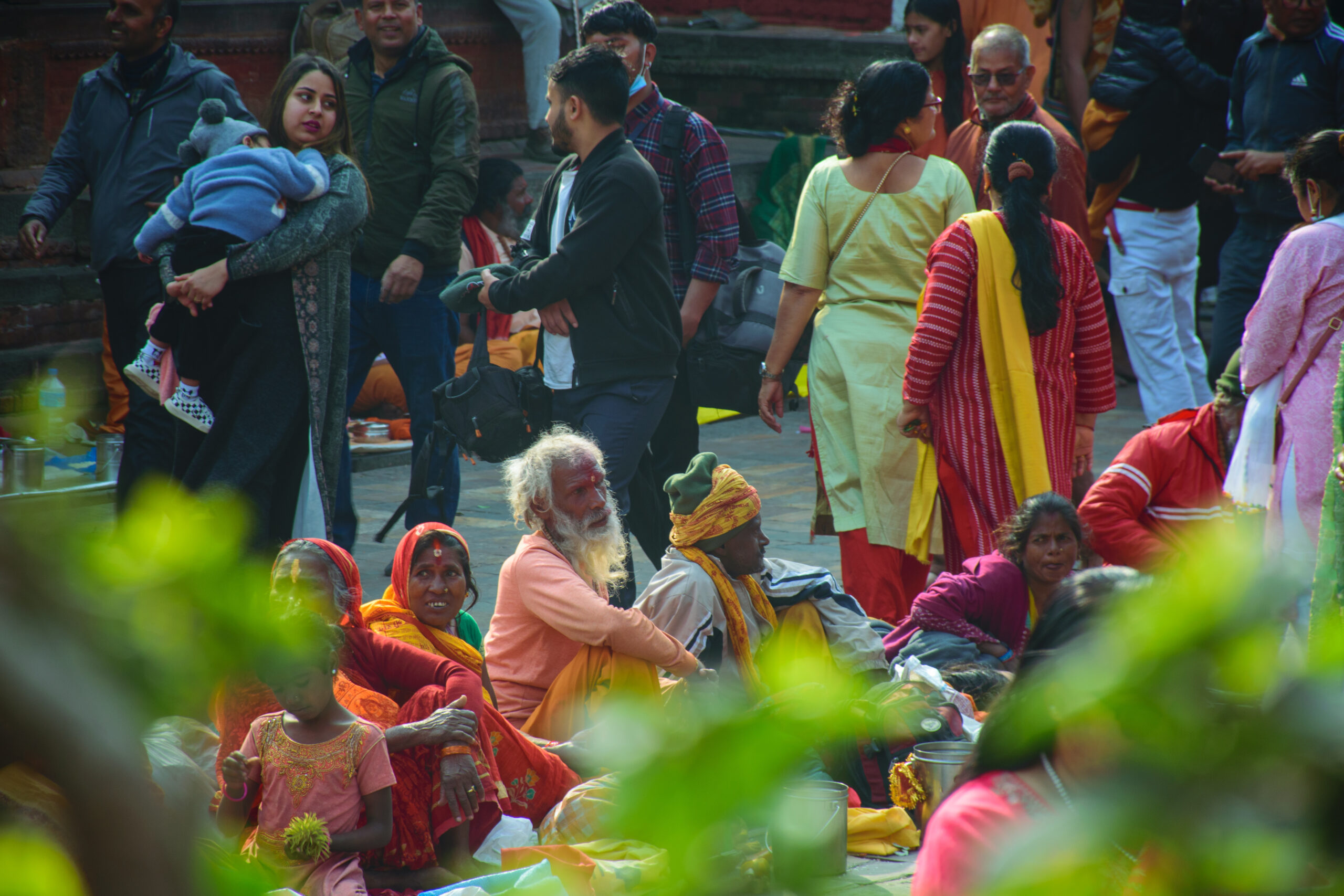
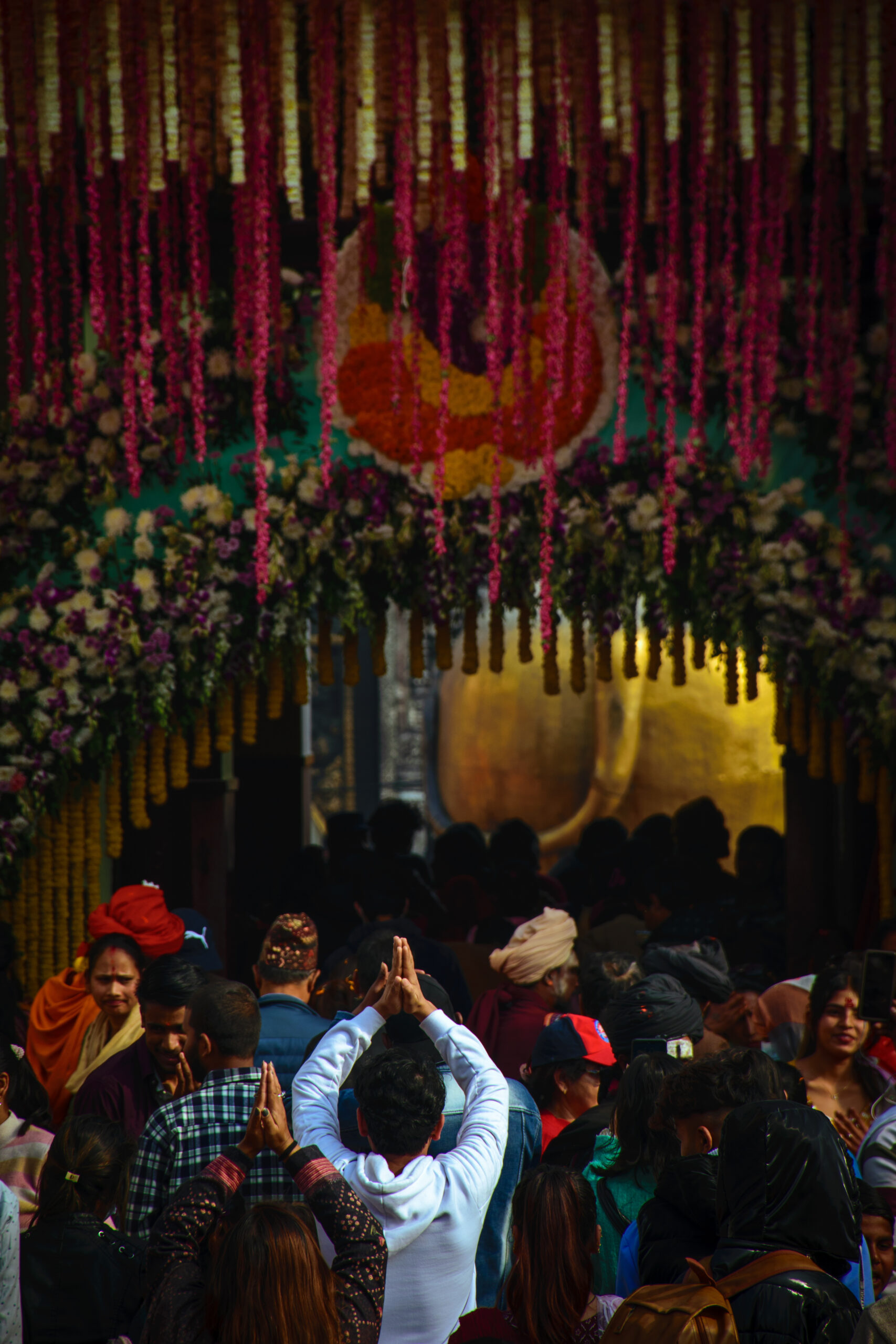
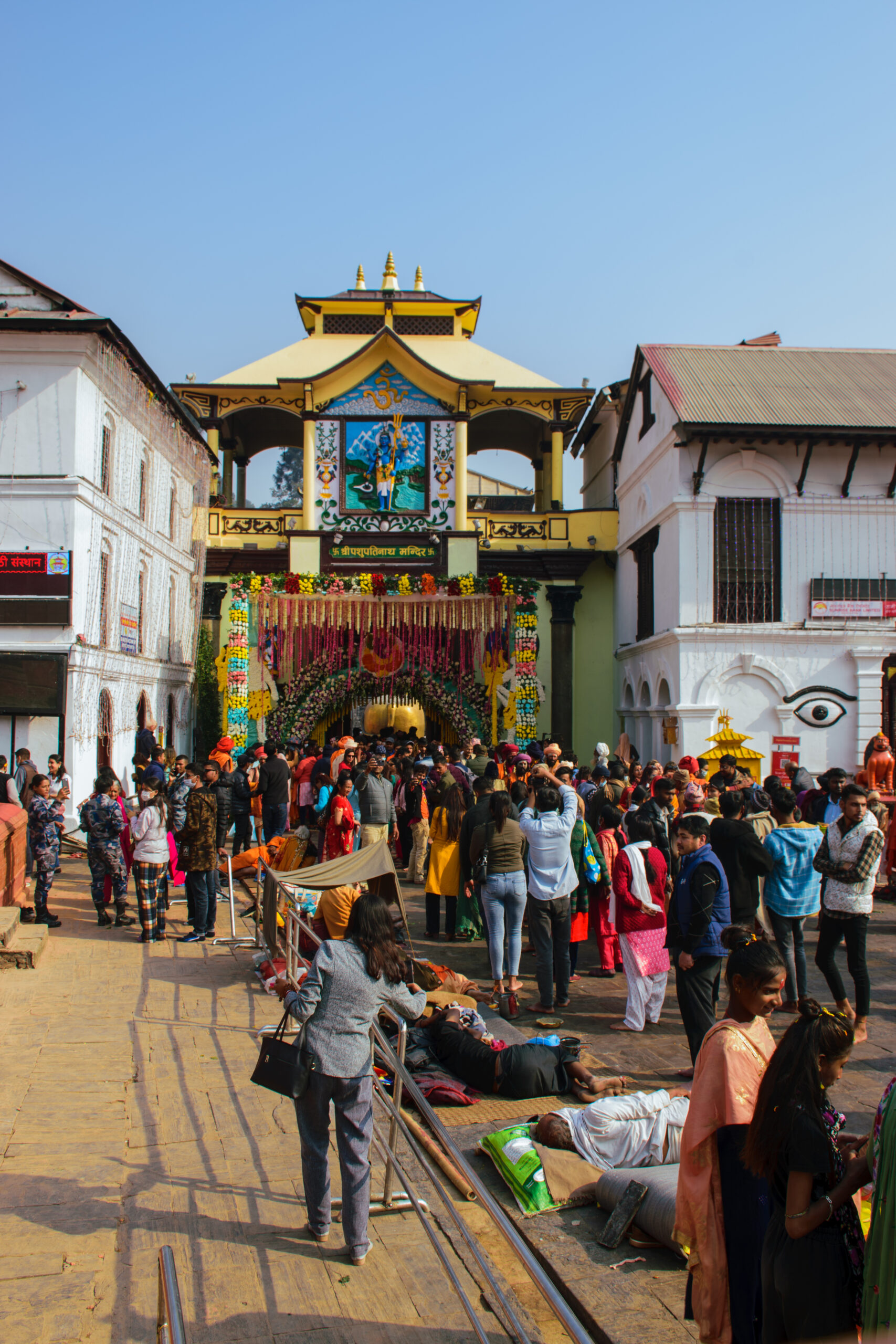
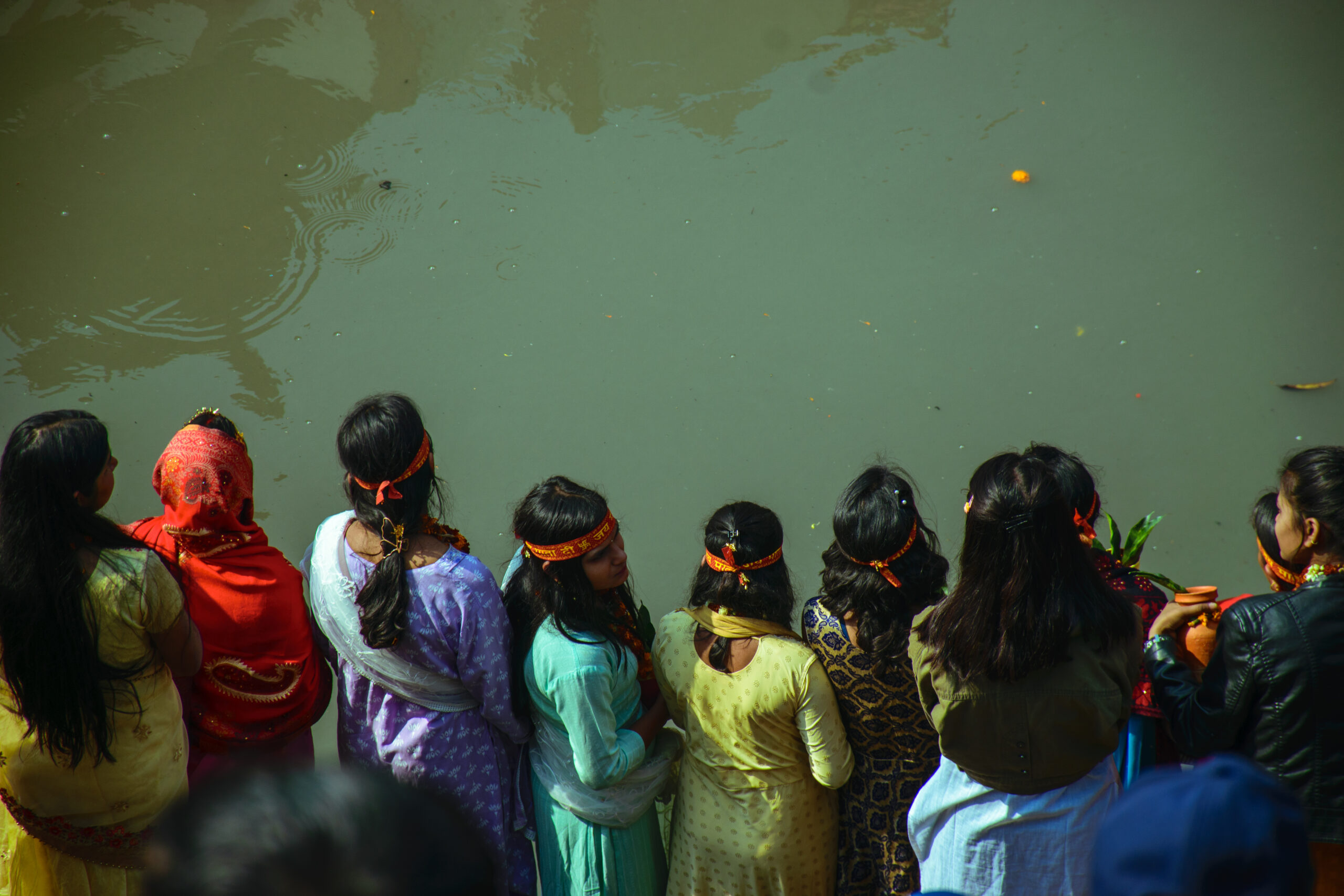
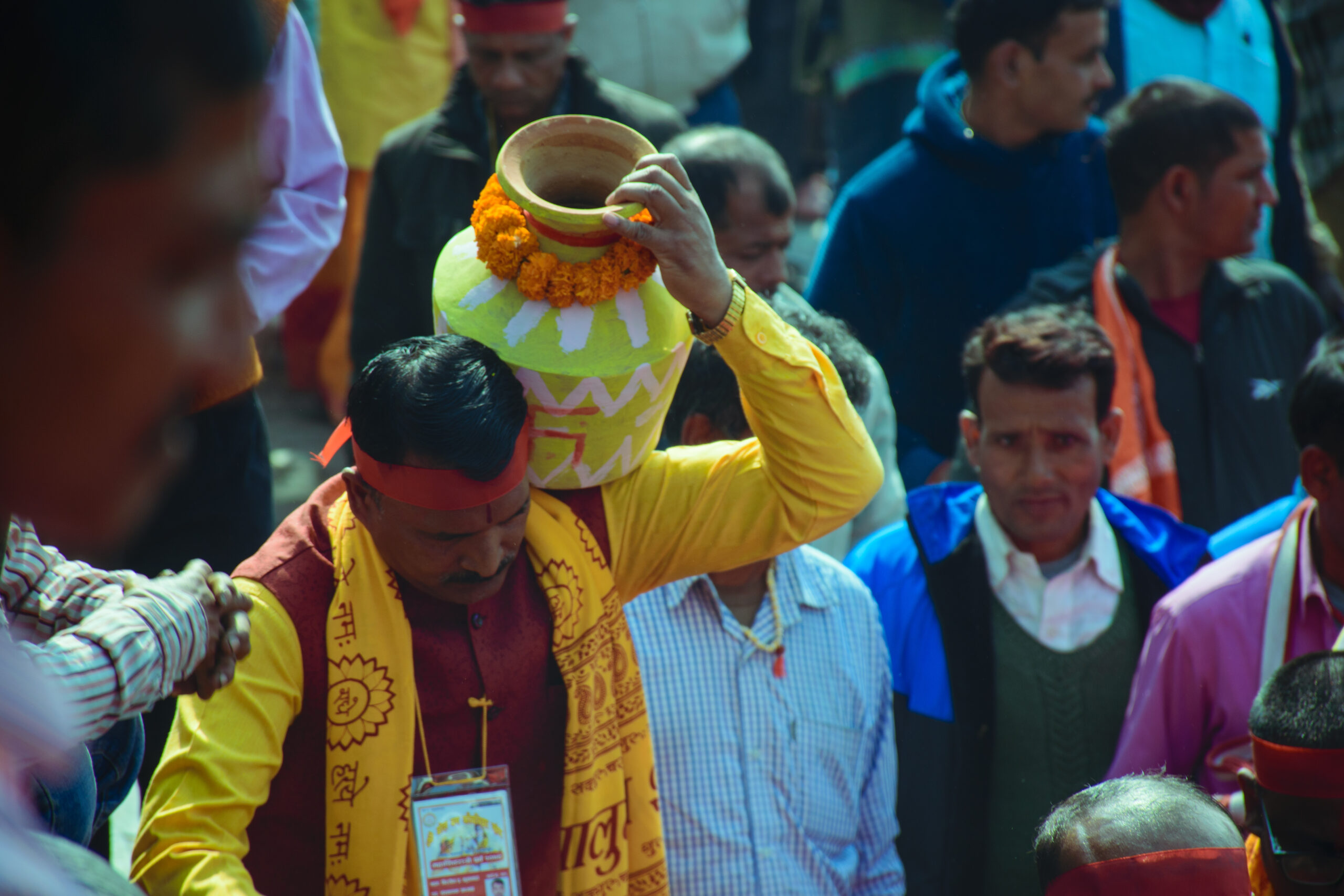
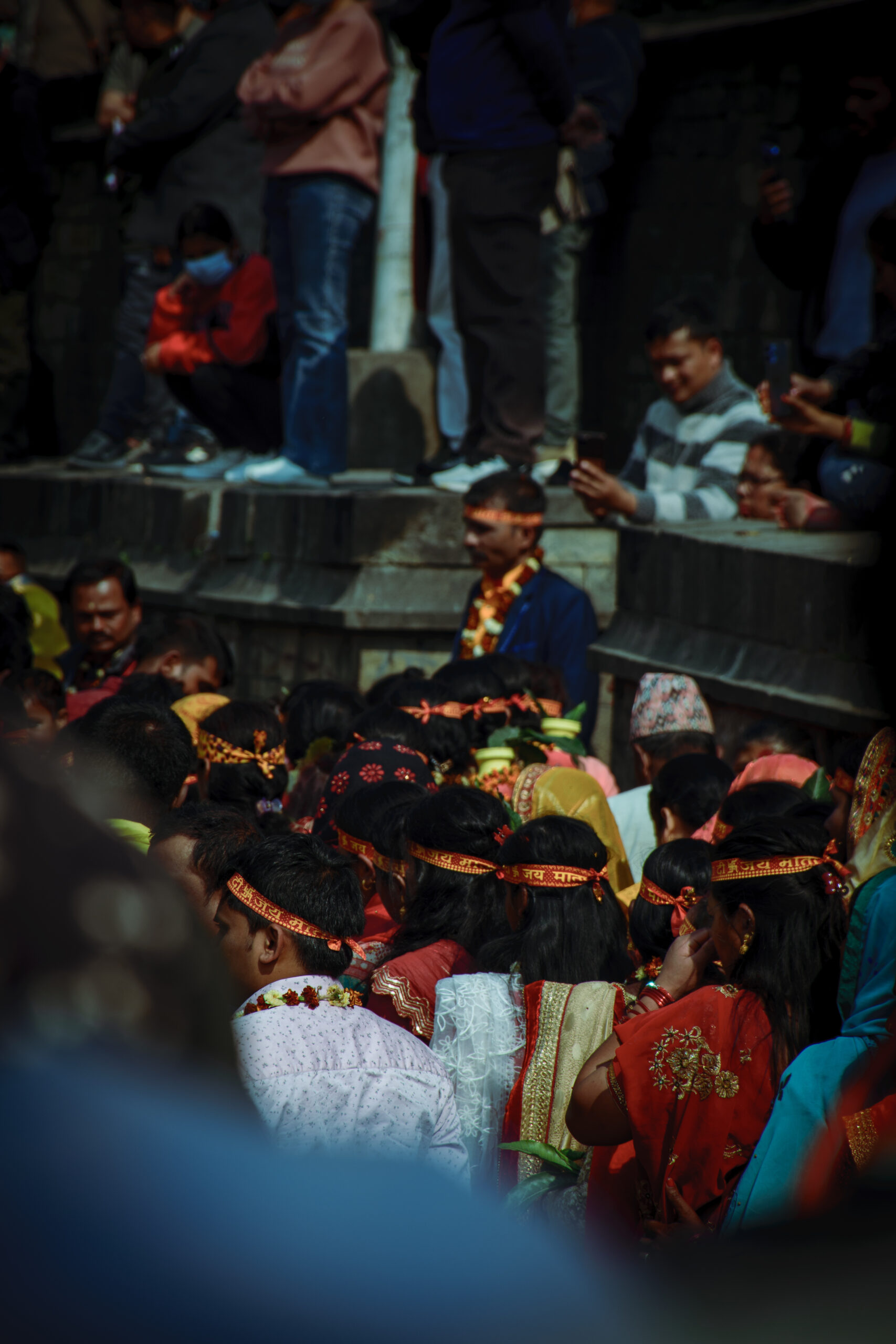
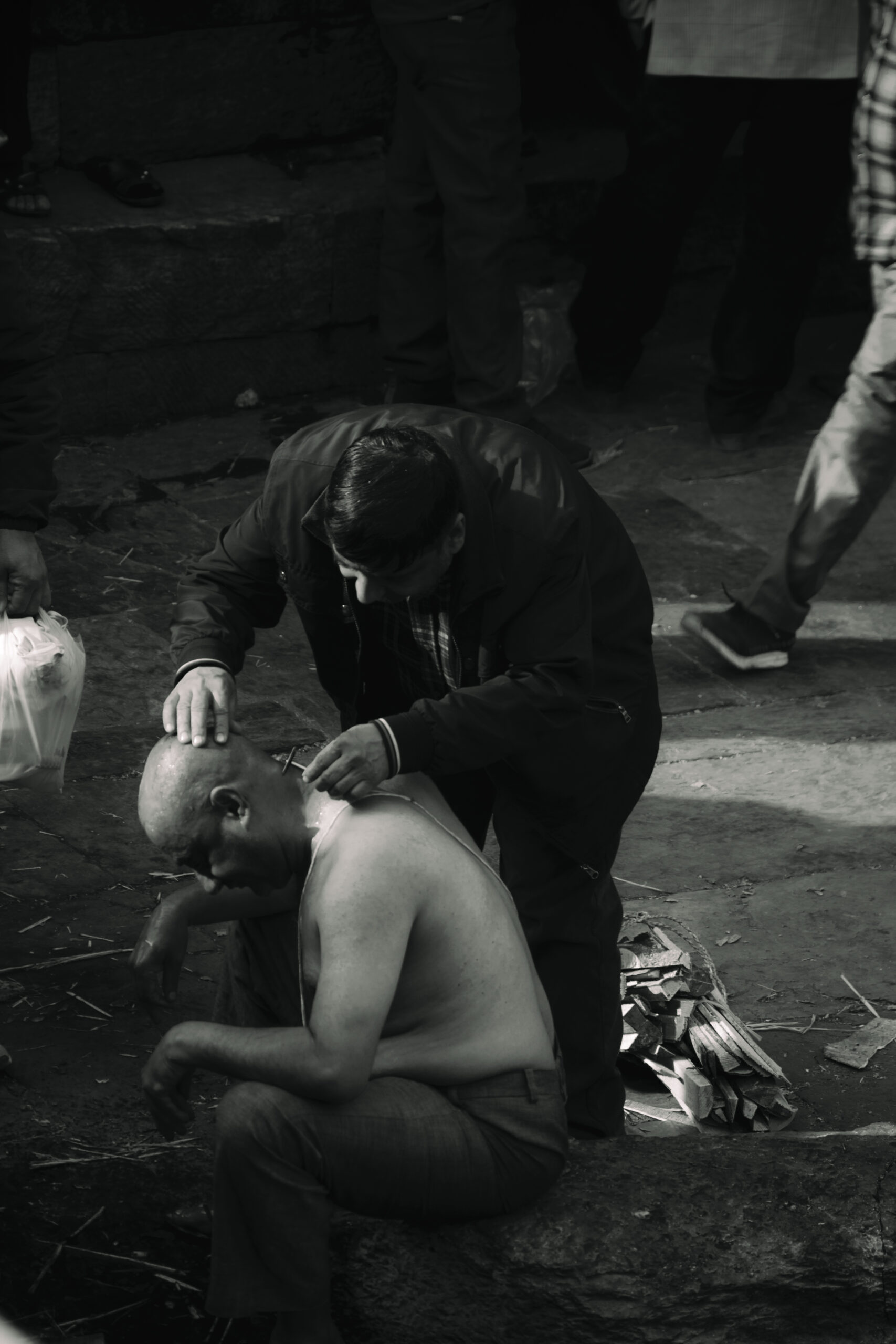
Capturing the essence of devotion and spirituality at Pashupatinath on the eve of Maha Shivaratri – a glimpse into the vibrant celebrations and deep-rooted traditions of one of the holiest Hindu festivals.
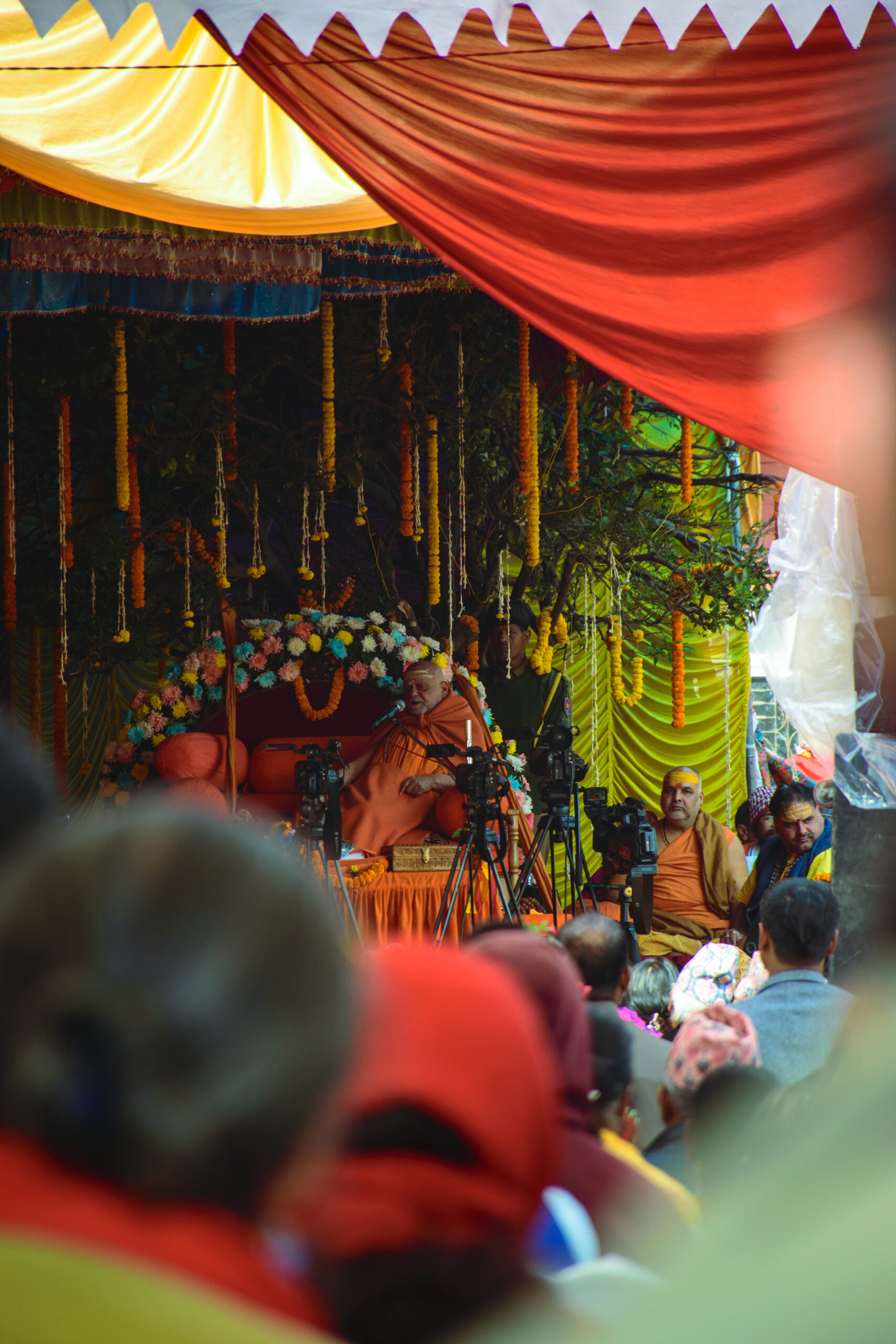
On the auspicious occasion of Mahashivratri festival, Puri Pithadhish Ananta Shri Vibhushit Jagadguru Shankaracharya Nishchalananda Saraswati Maharaj was in Kathmandu for the Shri Pashupati-Shankaracharya Poojan Festival-2079 program at the invitation of Pashupati Area Development Fund.
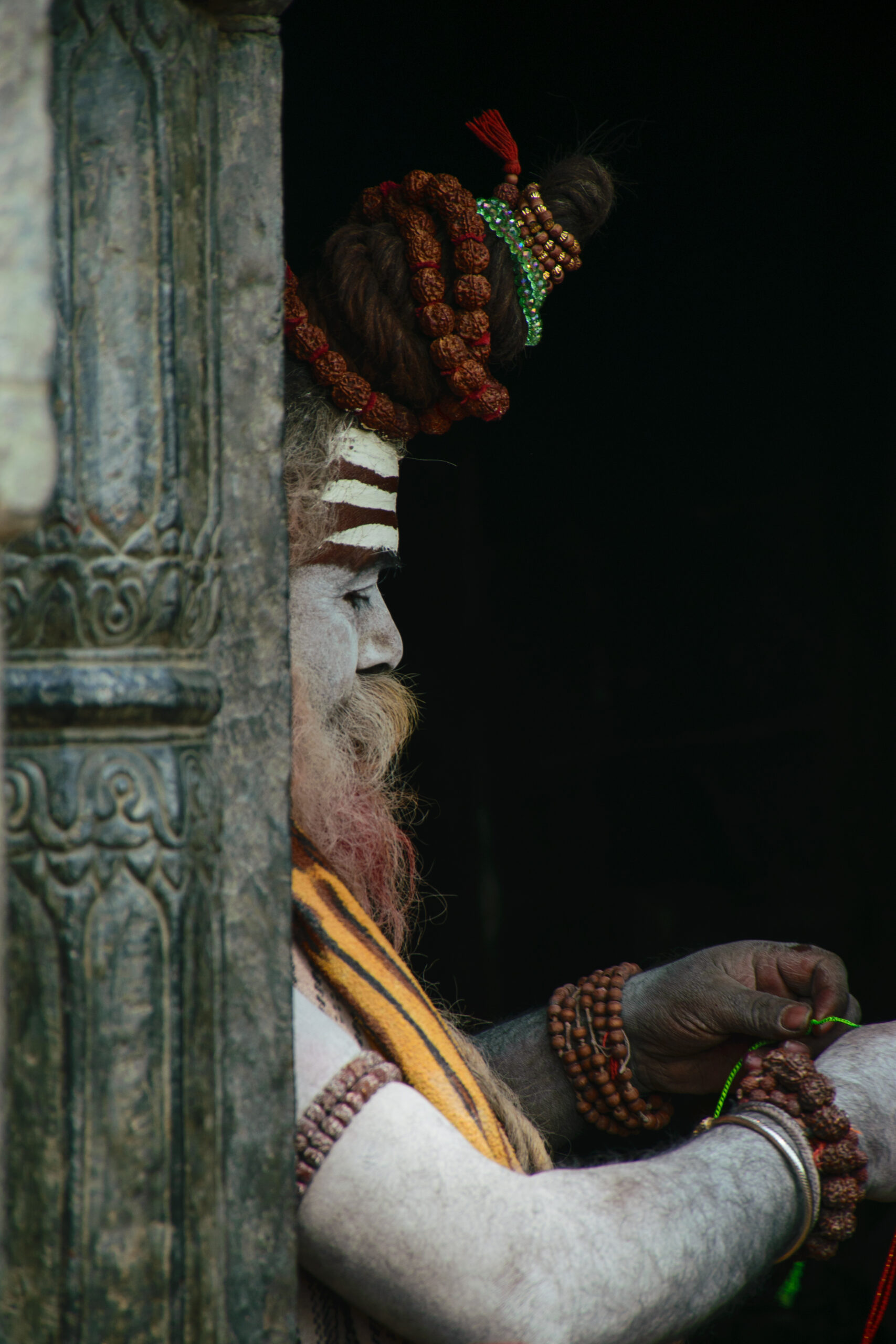
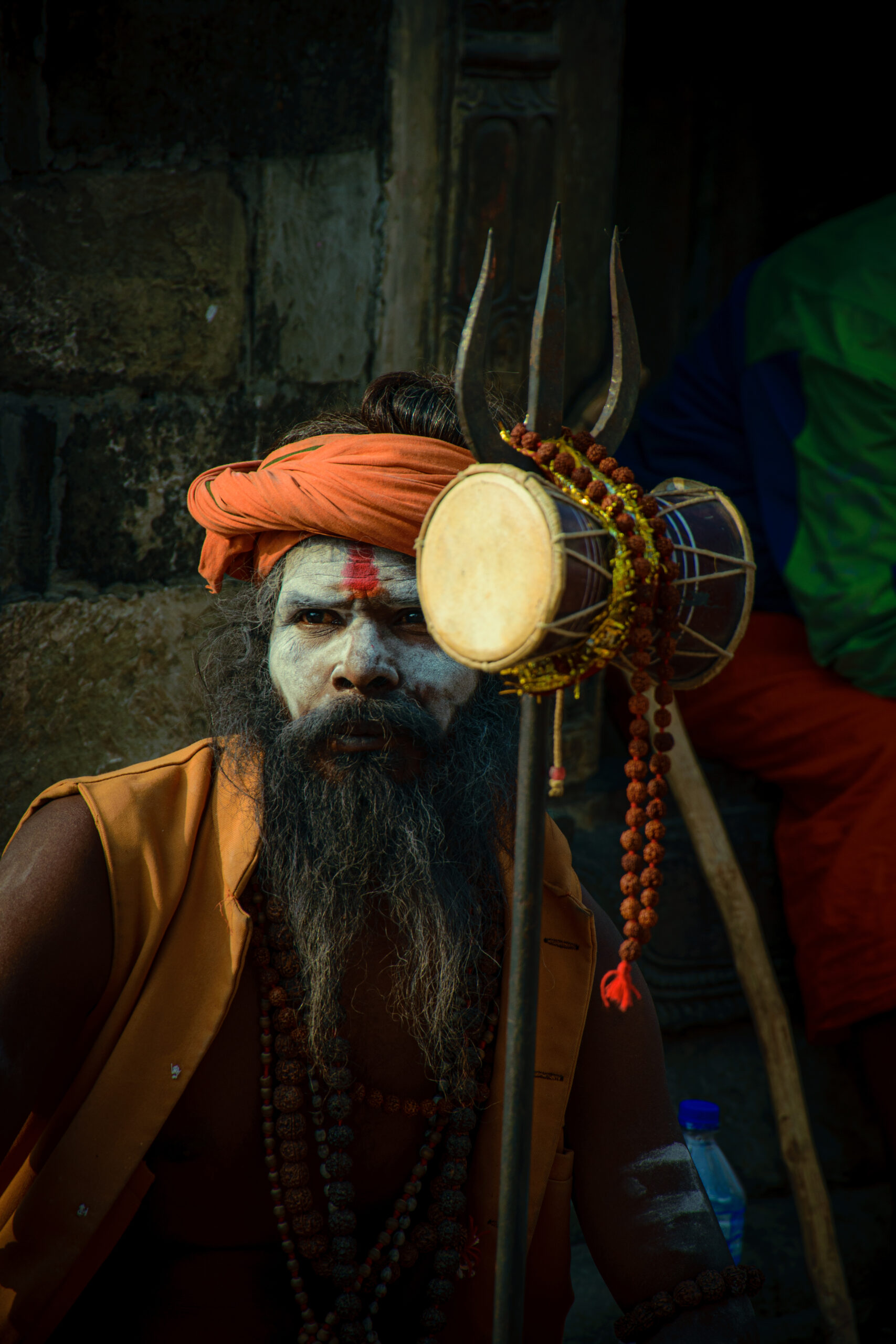
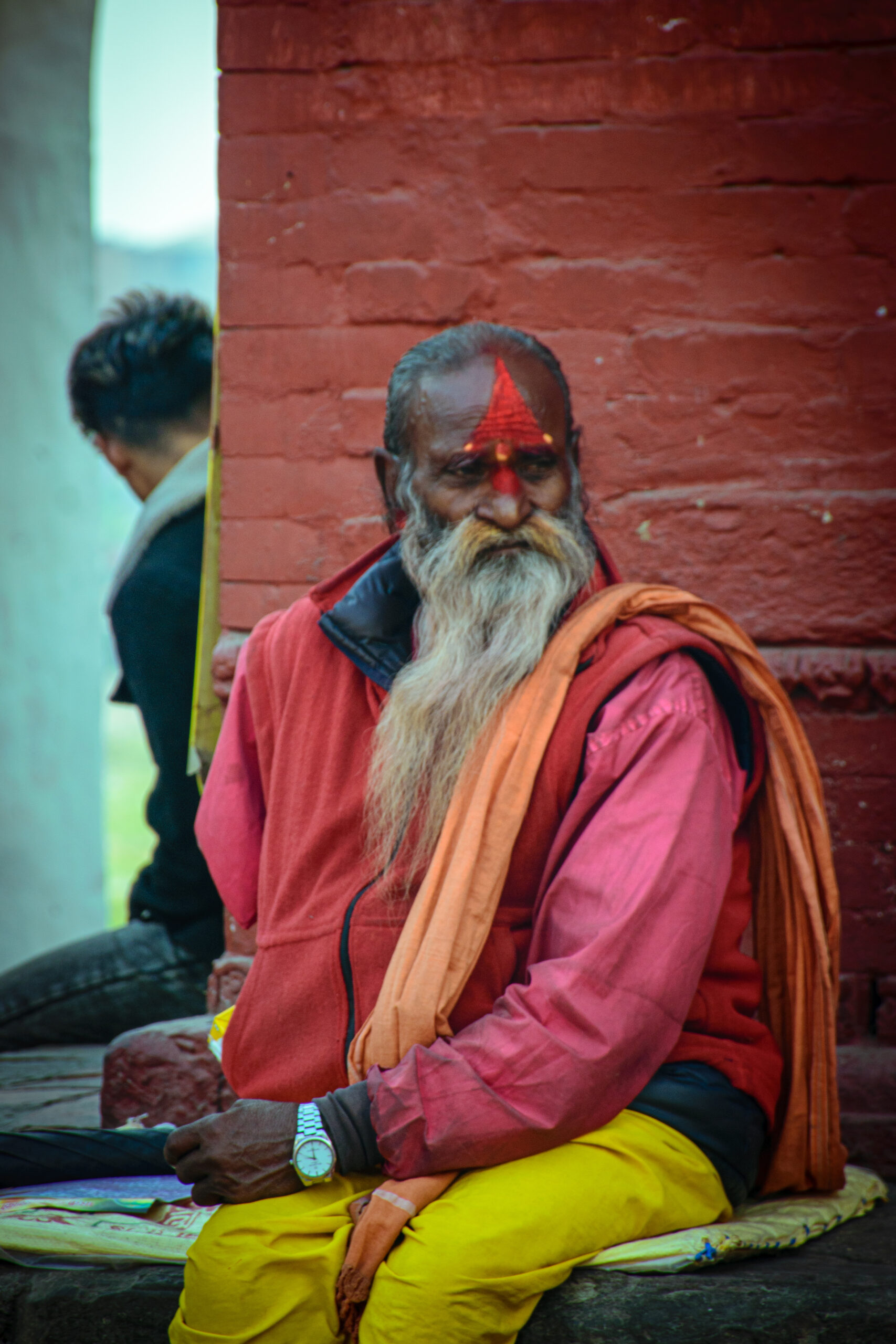
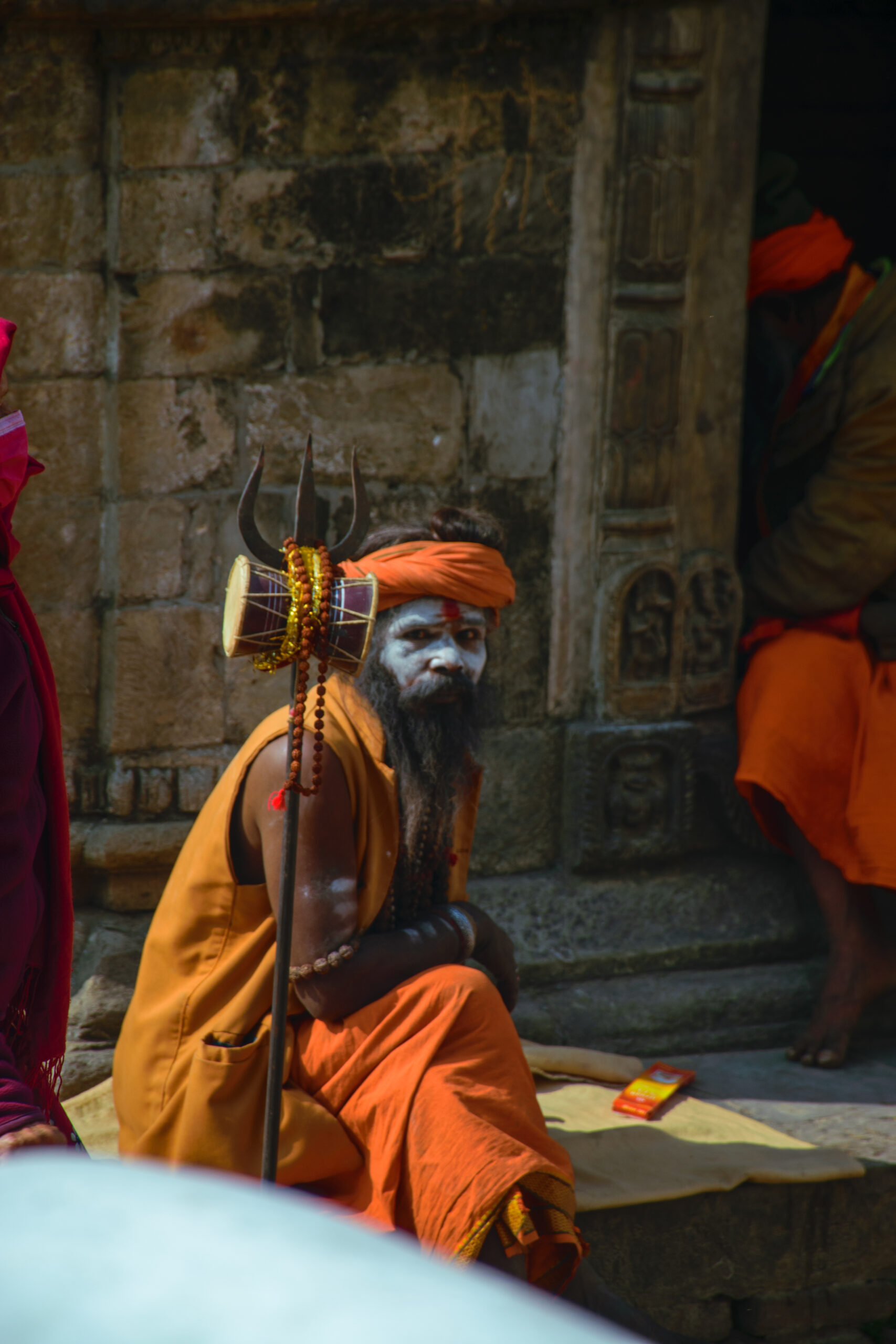
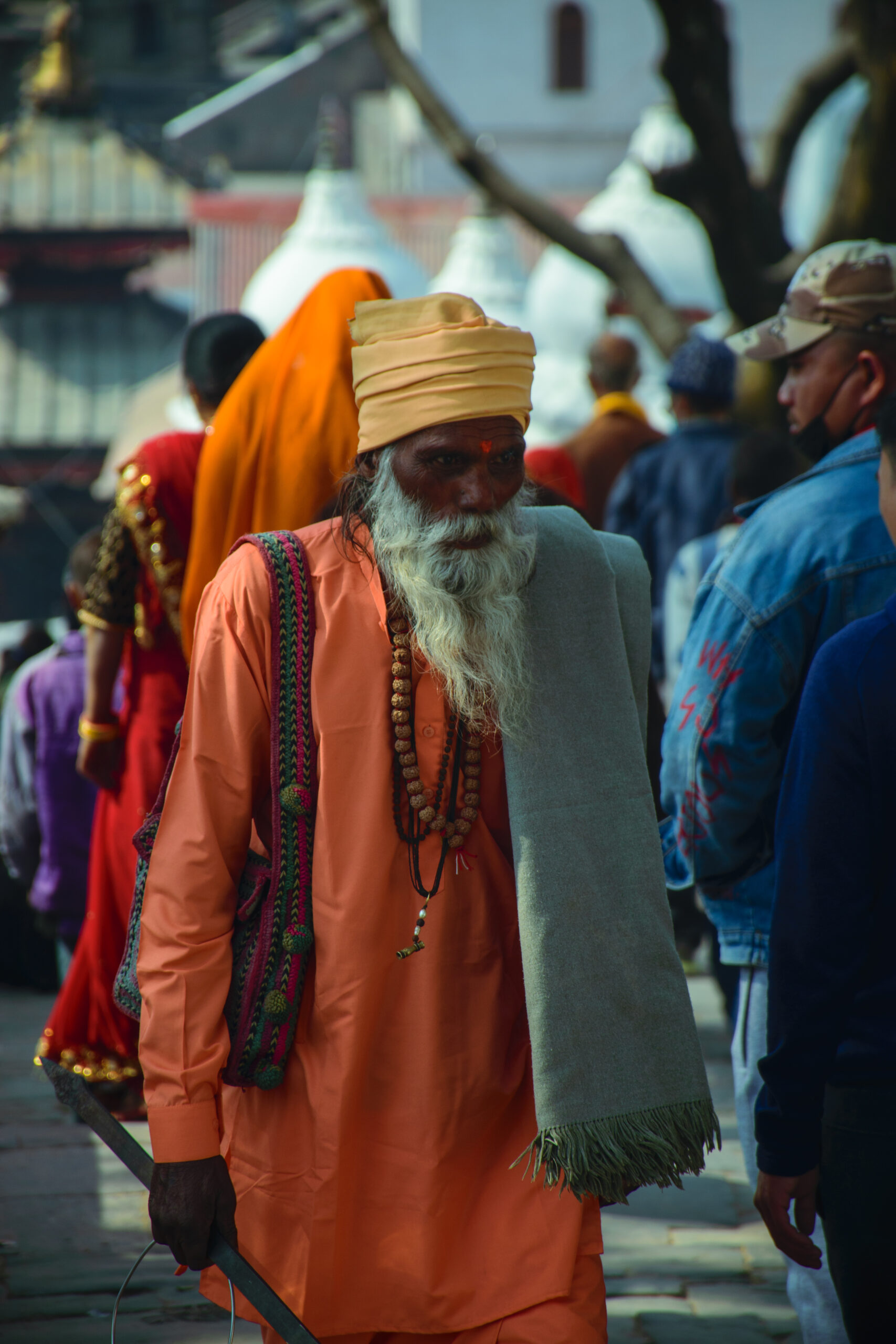
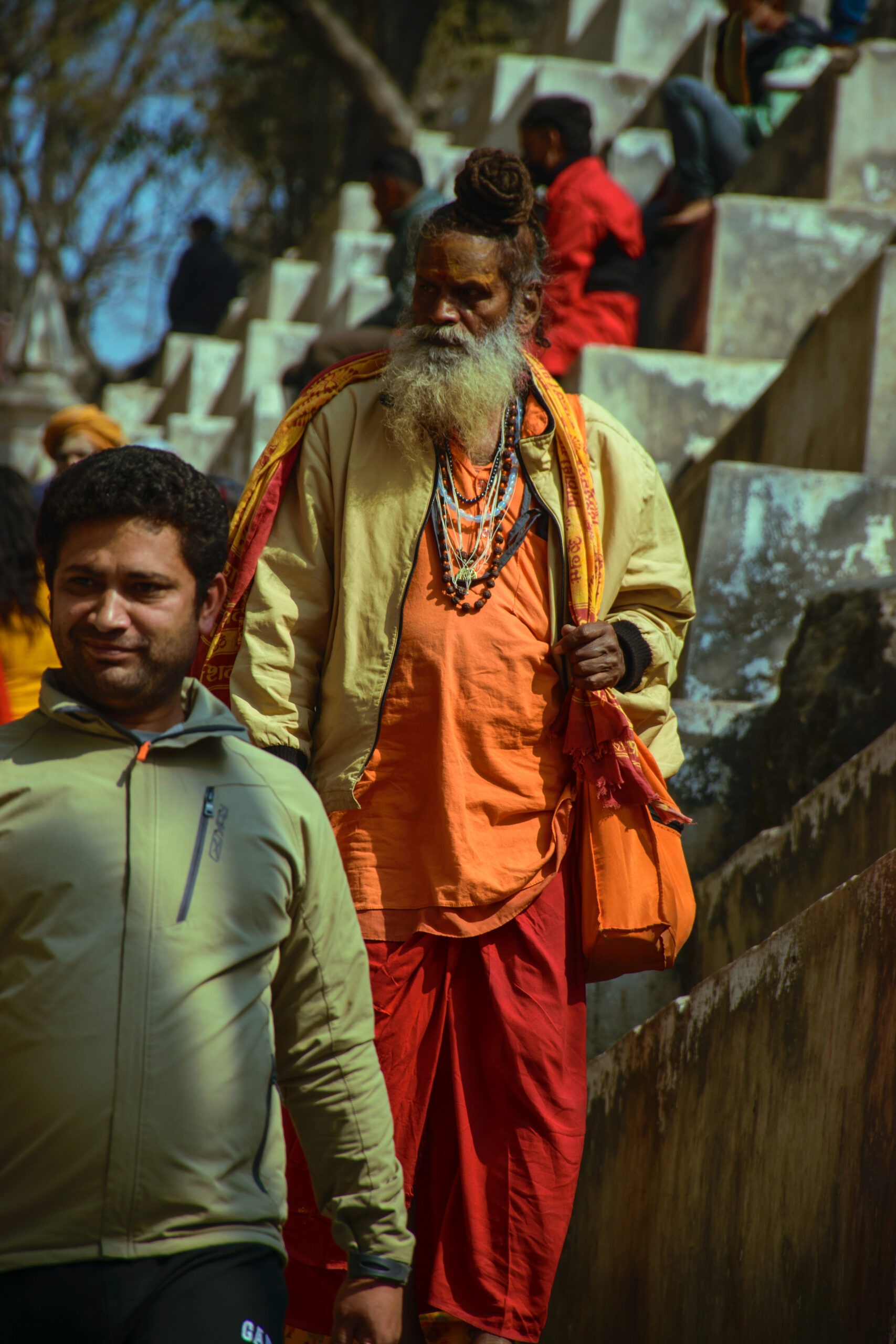
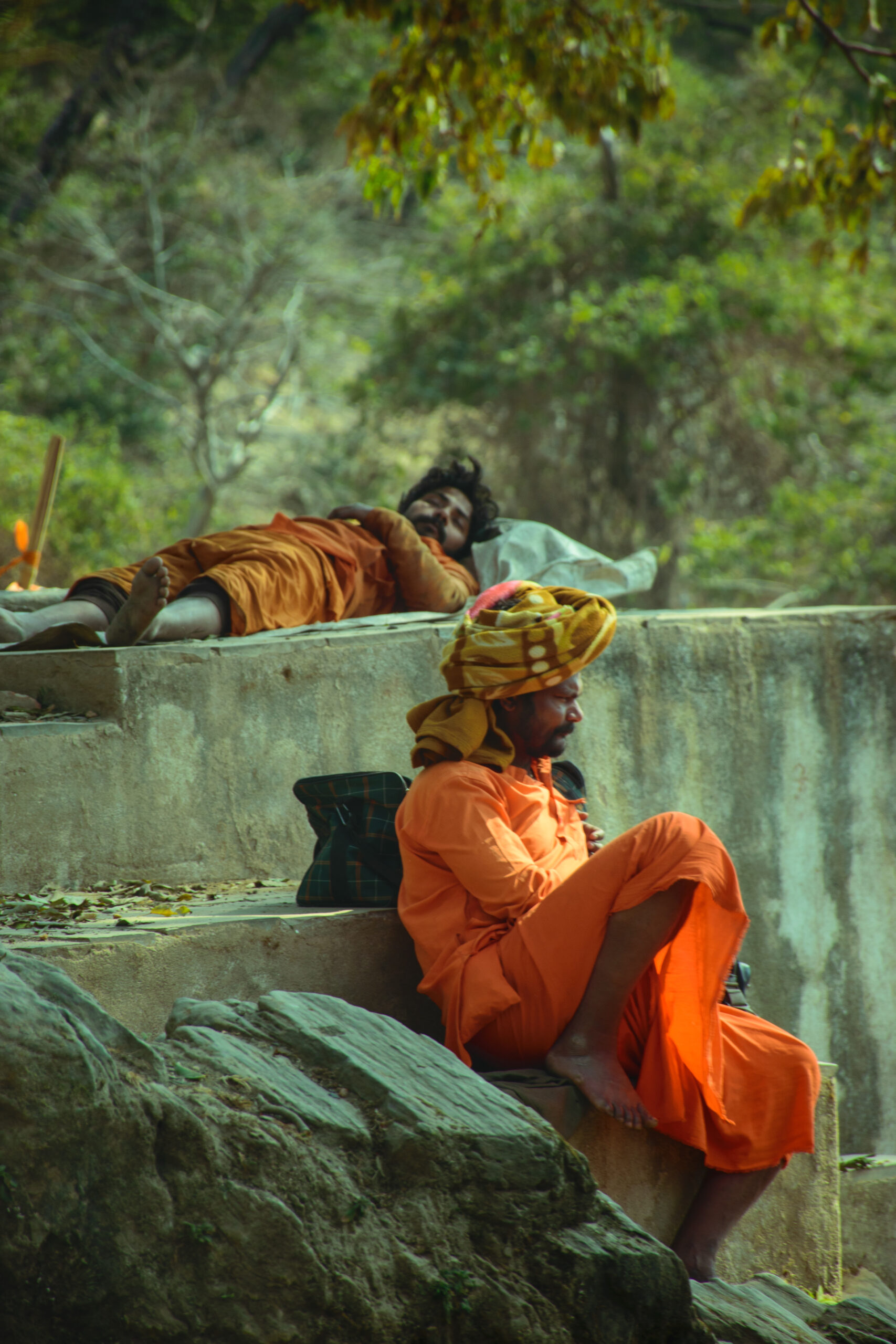
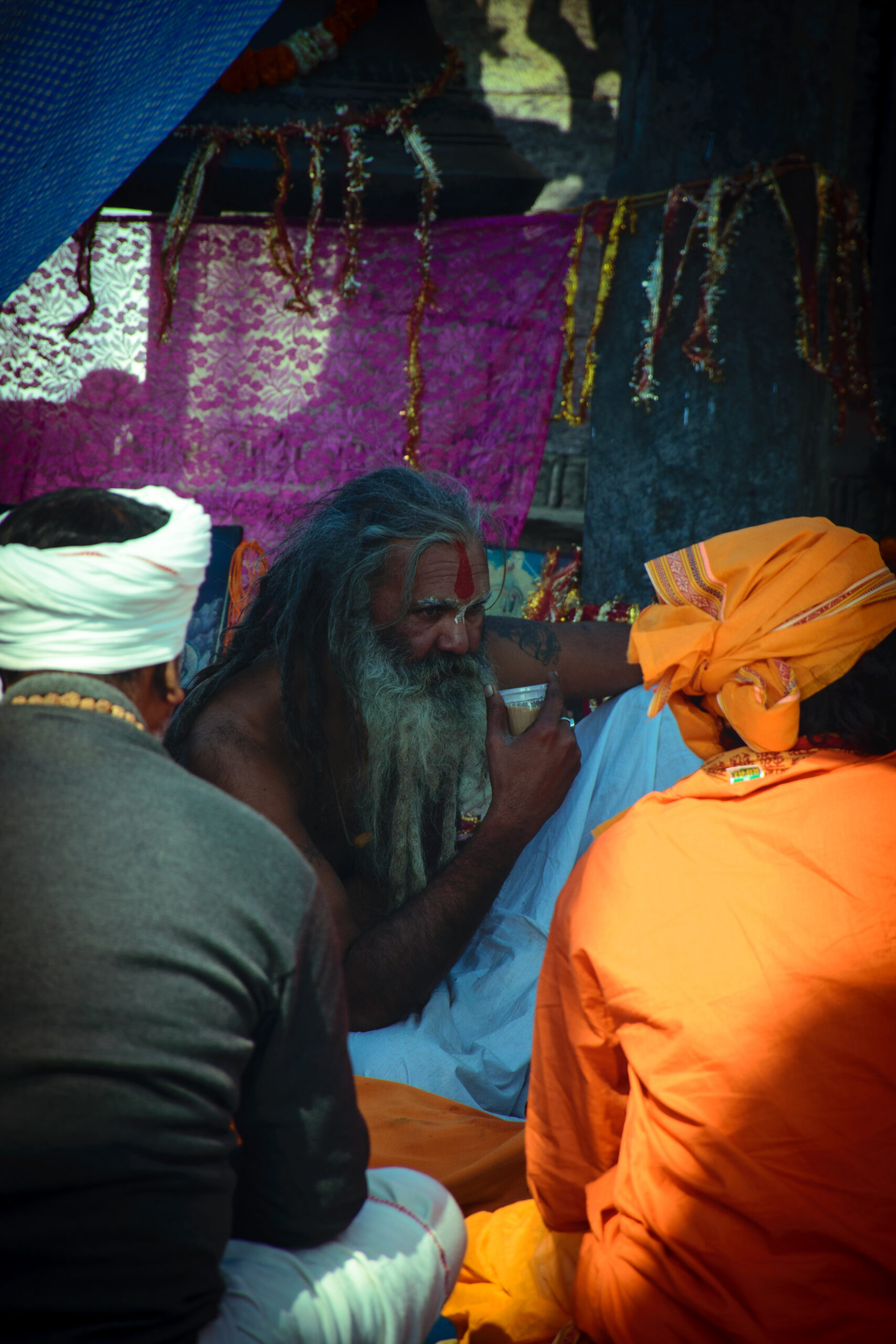
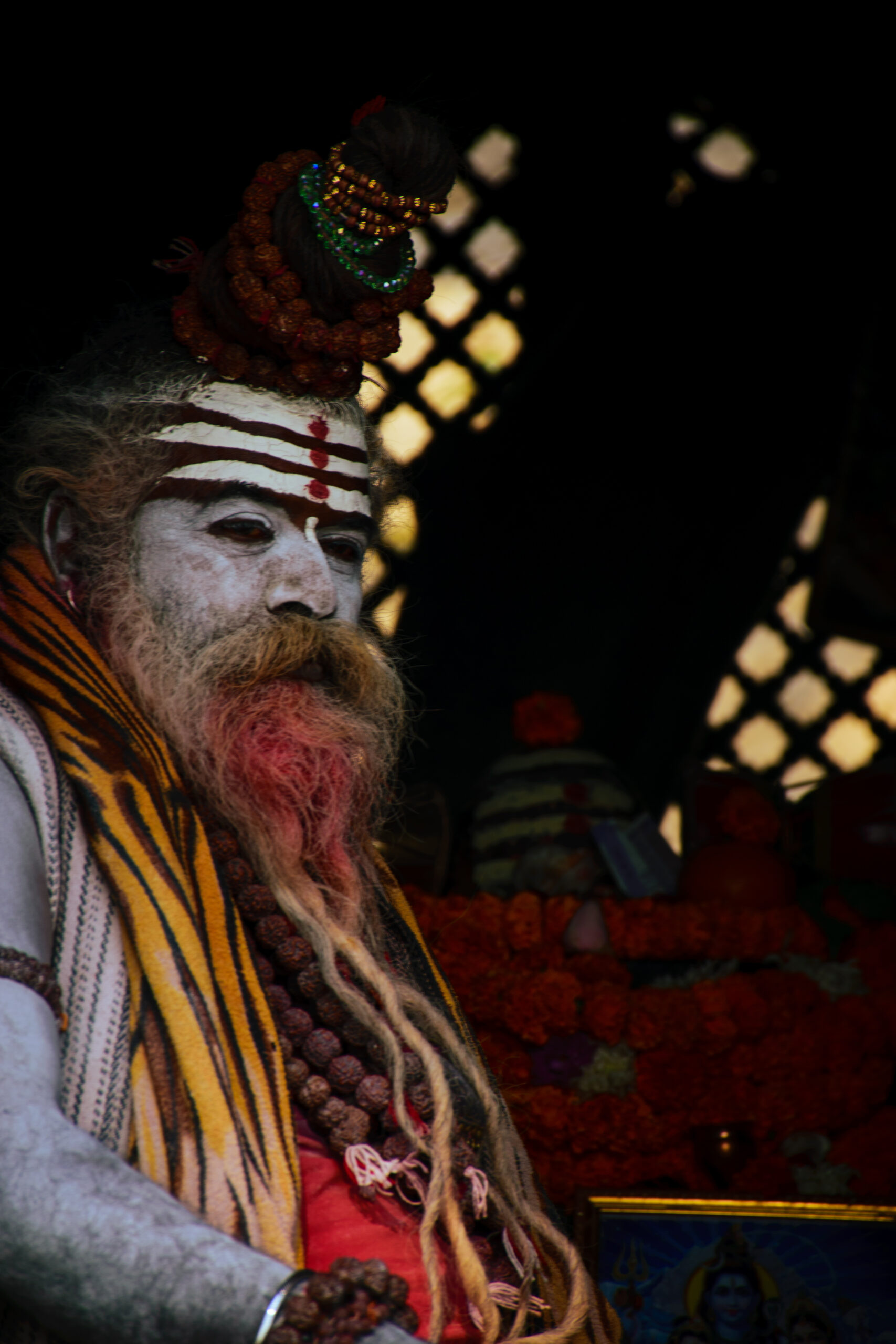
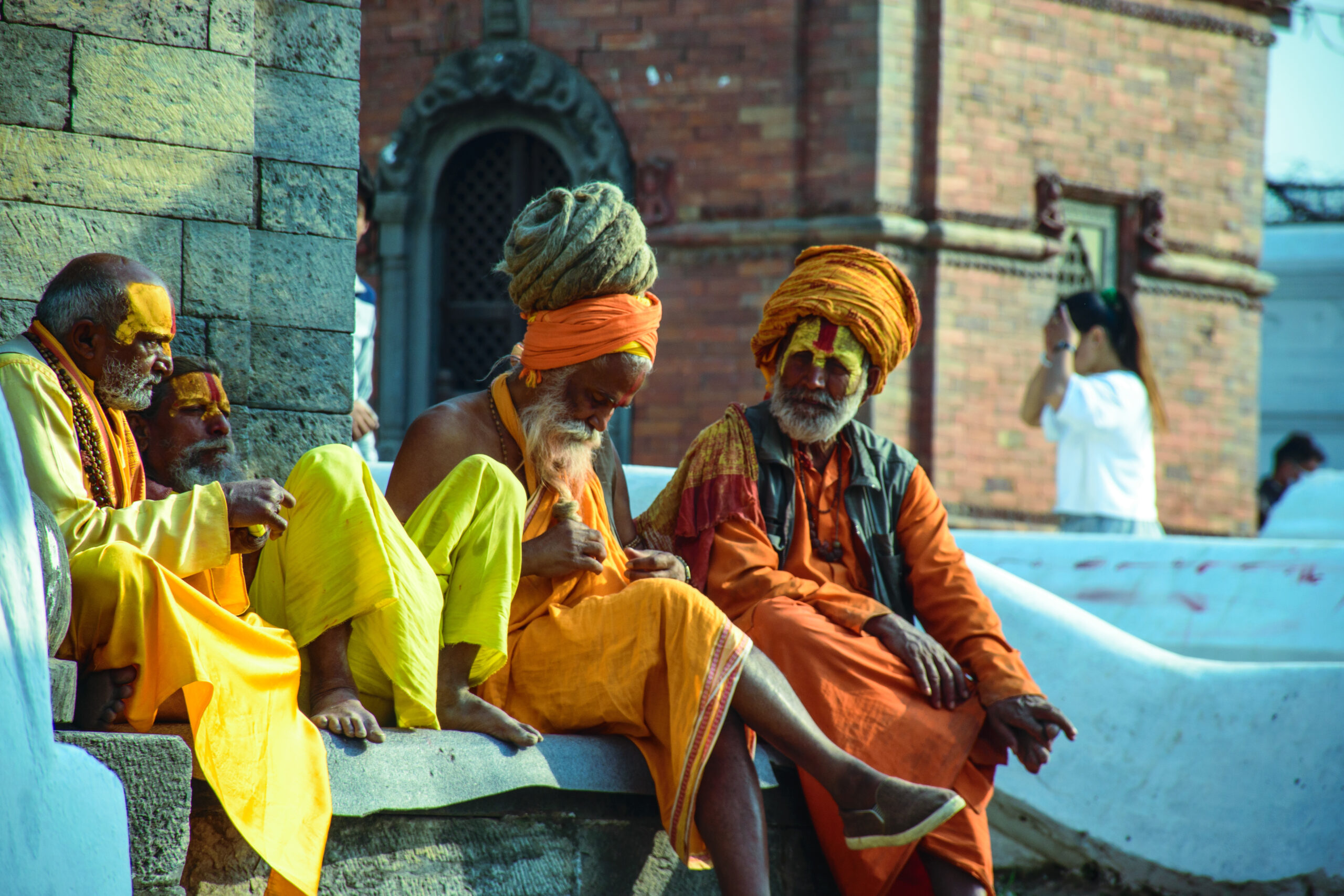
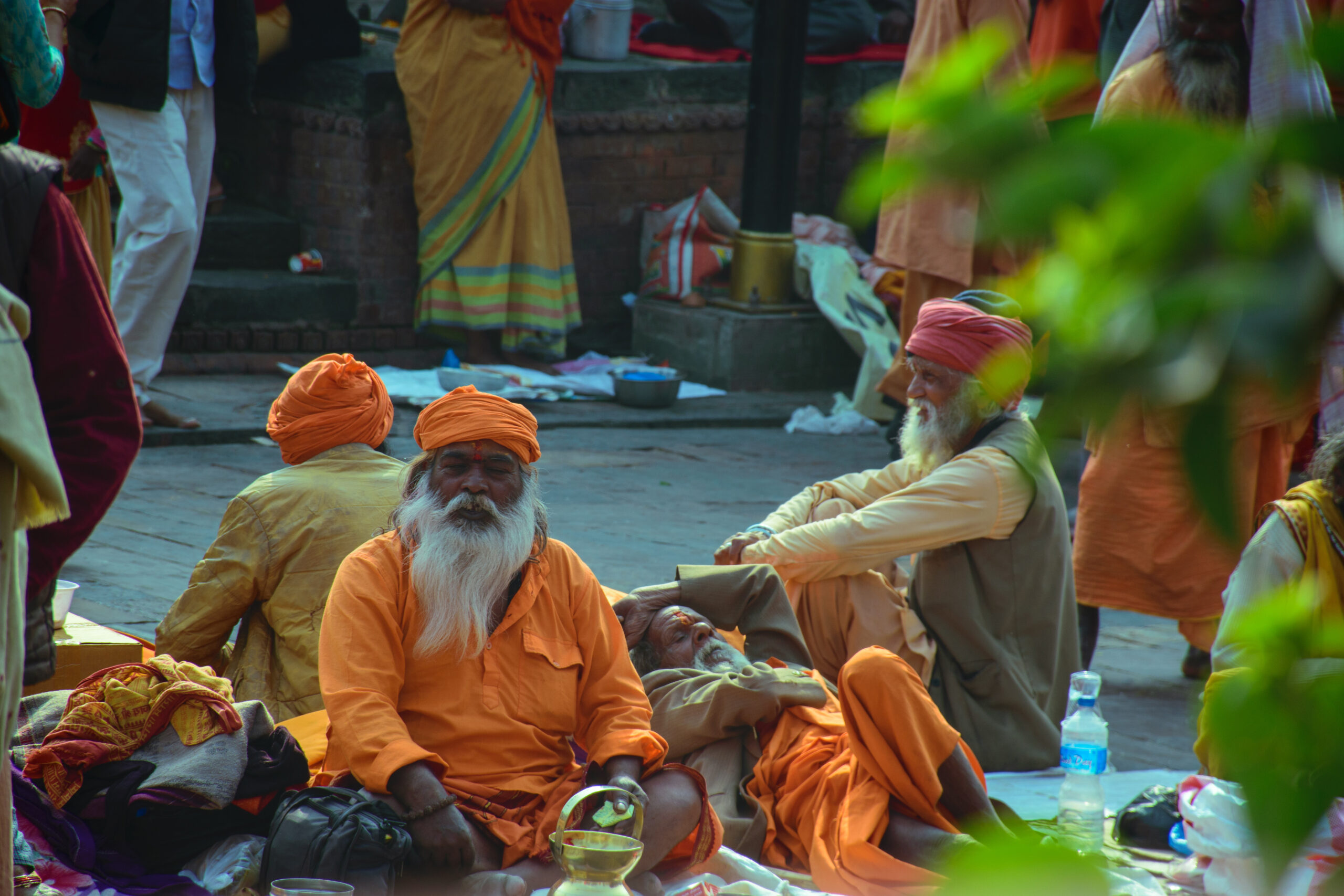
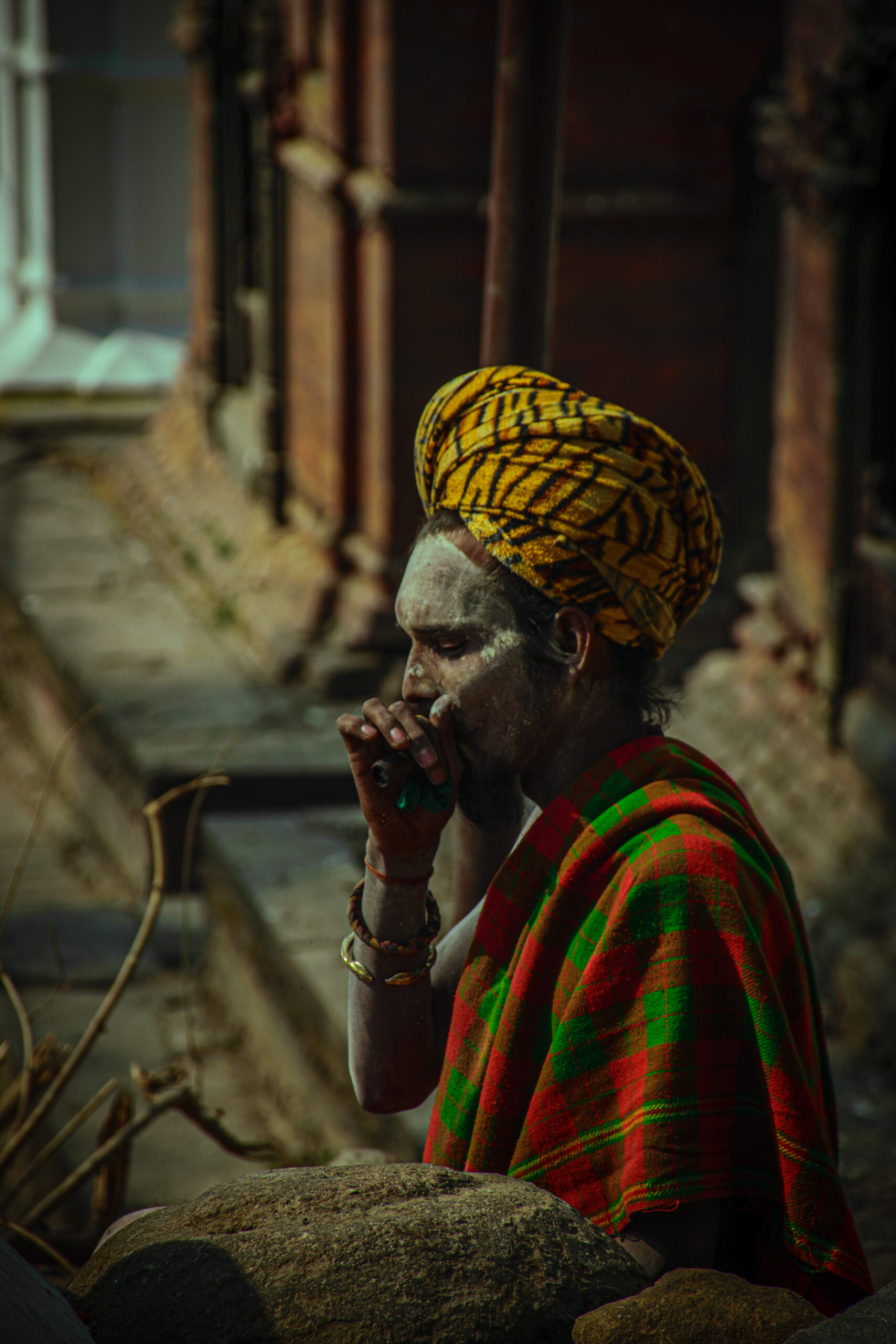
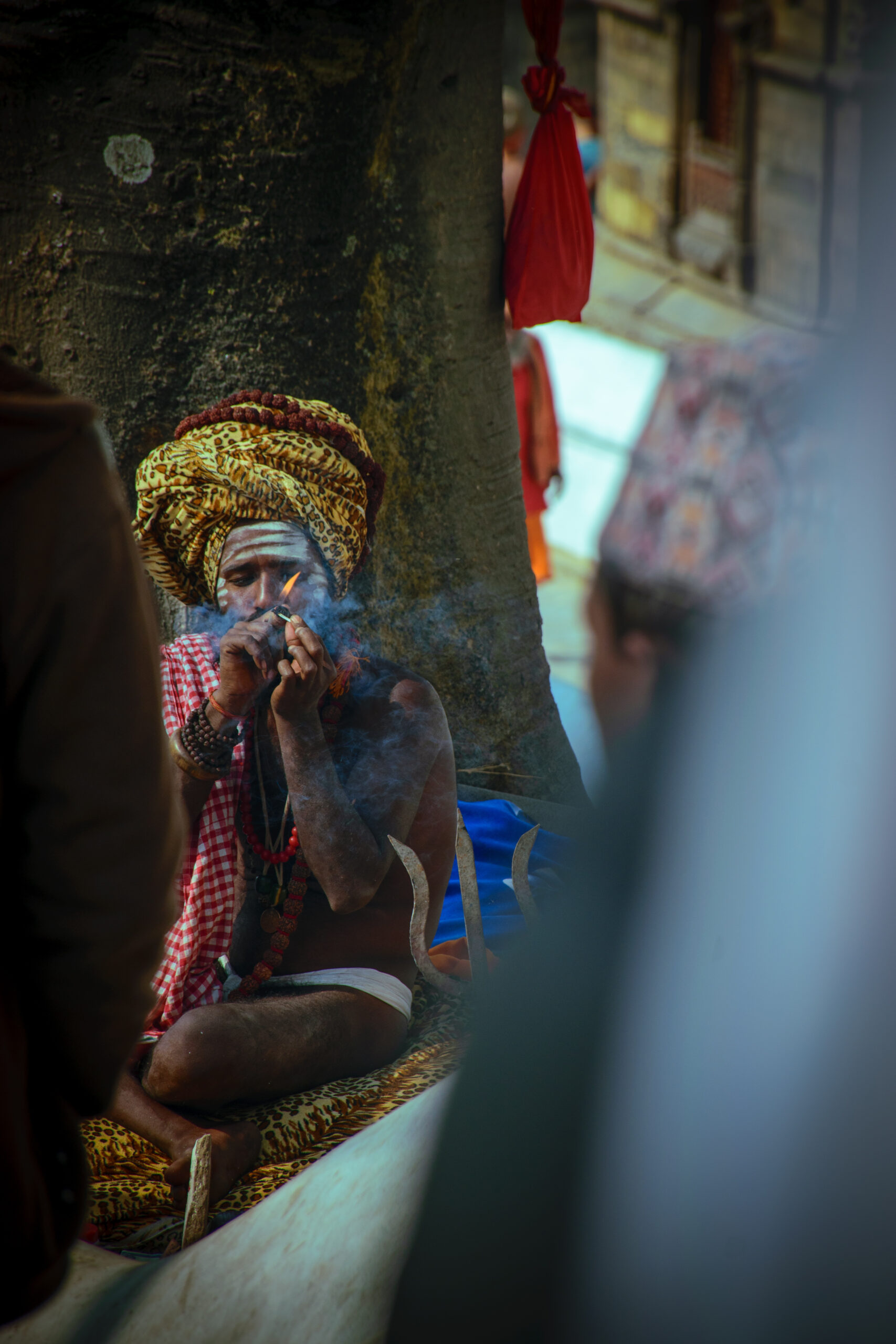
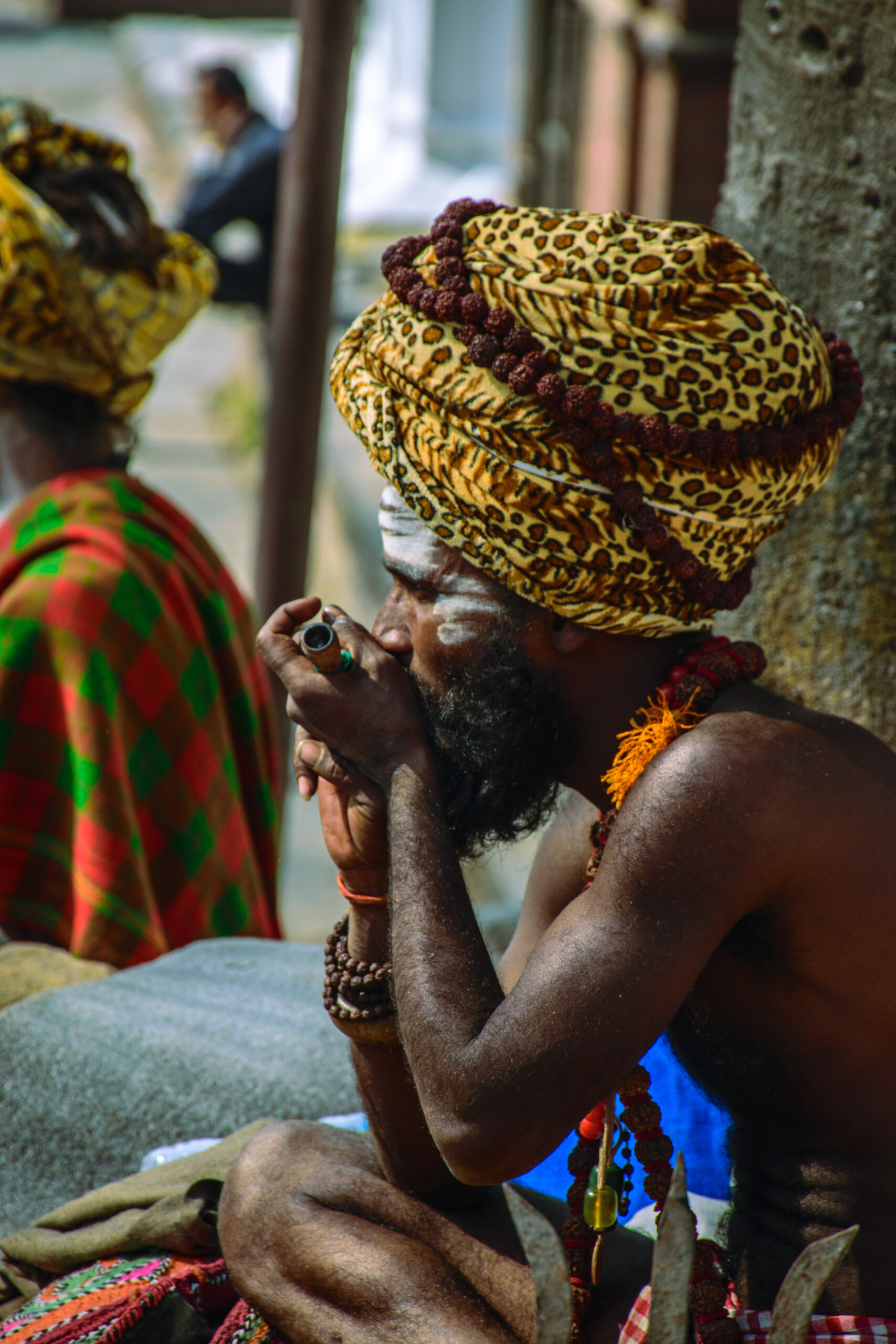
Sadhus are Hindu ascetics who renounce worldly desires and dedicate their lives to spiritual pursuits. They are also known as sannyasis, yogis, or holy men. Sadhus are often associated with the worship of Lord Shiva and are recognized by their distinctive appearance, which includes saffron-colored robes, ash smeared on their bodies, and long hair, beards or dreadlocks.
They live a simple and austere lifestyle, often traveling on foot and relying on the generosity of others for their basic needs. Sadhus are highly respected in Hindu society for their spiritual knowledge and devotion, and are often sought out for blessings and guidance.
The use of marijuana by sadhus is often associated with their worship of Lord Shiva, who is traditionally believed to have an association with cannabis. According to some Hindu texts, Lord Shiva used to consume a drink called “bhang,” which is made from cannabis leaves, during his meditations. As a result, the use of bhang, as well as other forms of cannabis, has become a part of certain sadhus’ spiritual practices, particularly during festivals such as Holi and Maha Shivaratri.
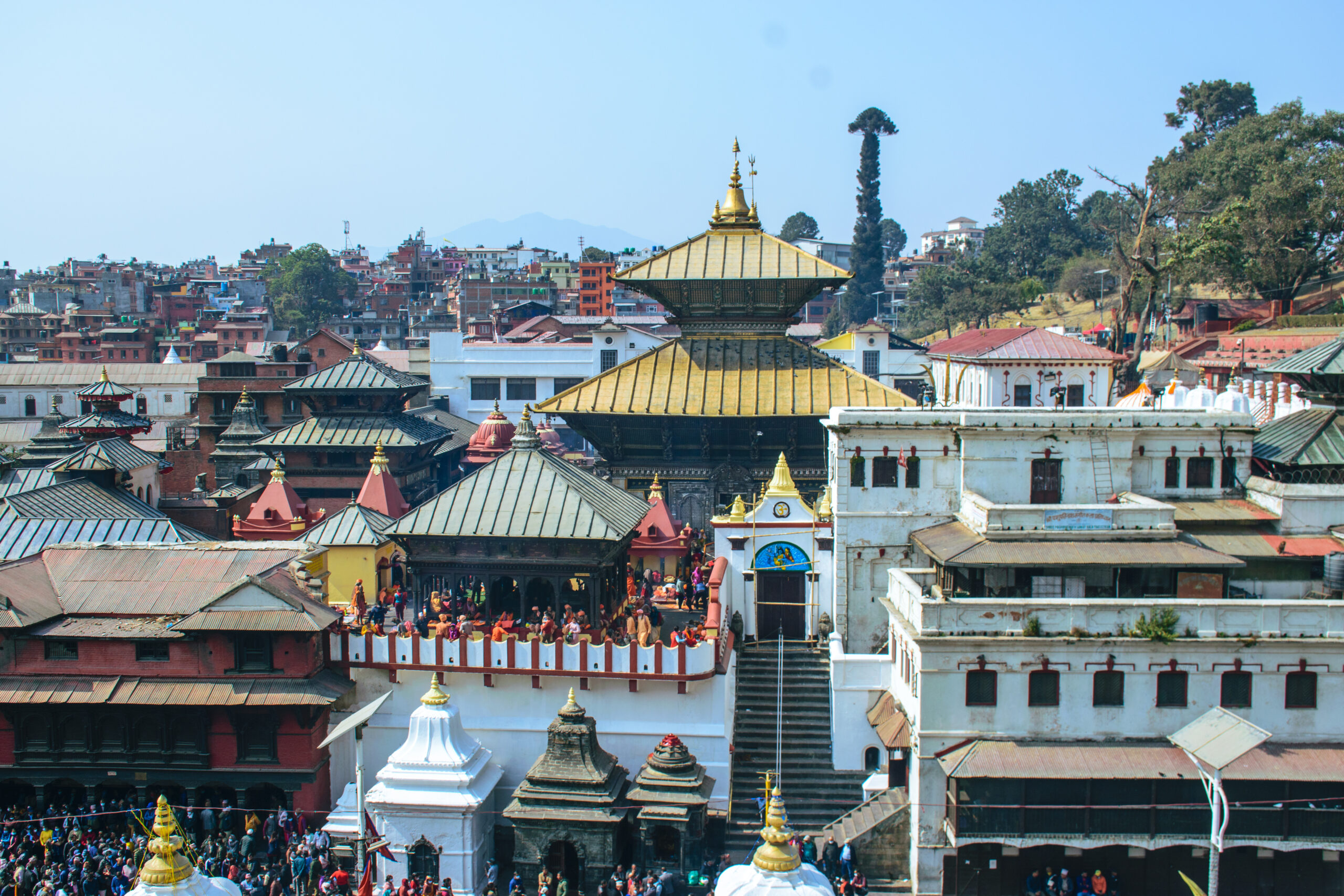
Pashupatinath Temple is considered one of the most sacred Hindu temples in the world, and is of great importance to the Hindu religion for several reasons. The temple’s main deity, a Lingam (an abstract representation of Lord Shiva), is believed to be one of the 12 Jyotirlingas (holy shrines) of Lord Shiva, which are considered to be particularly auspicious for devotees to visit.
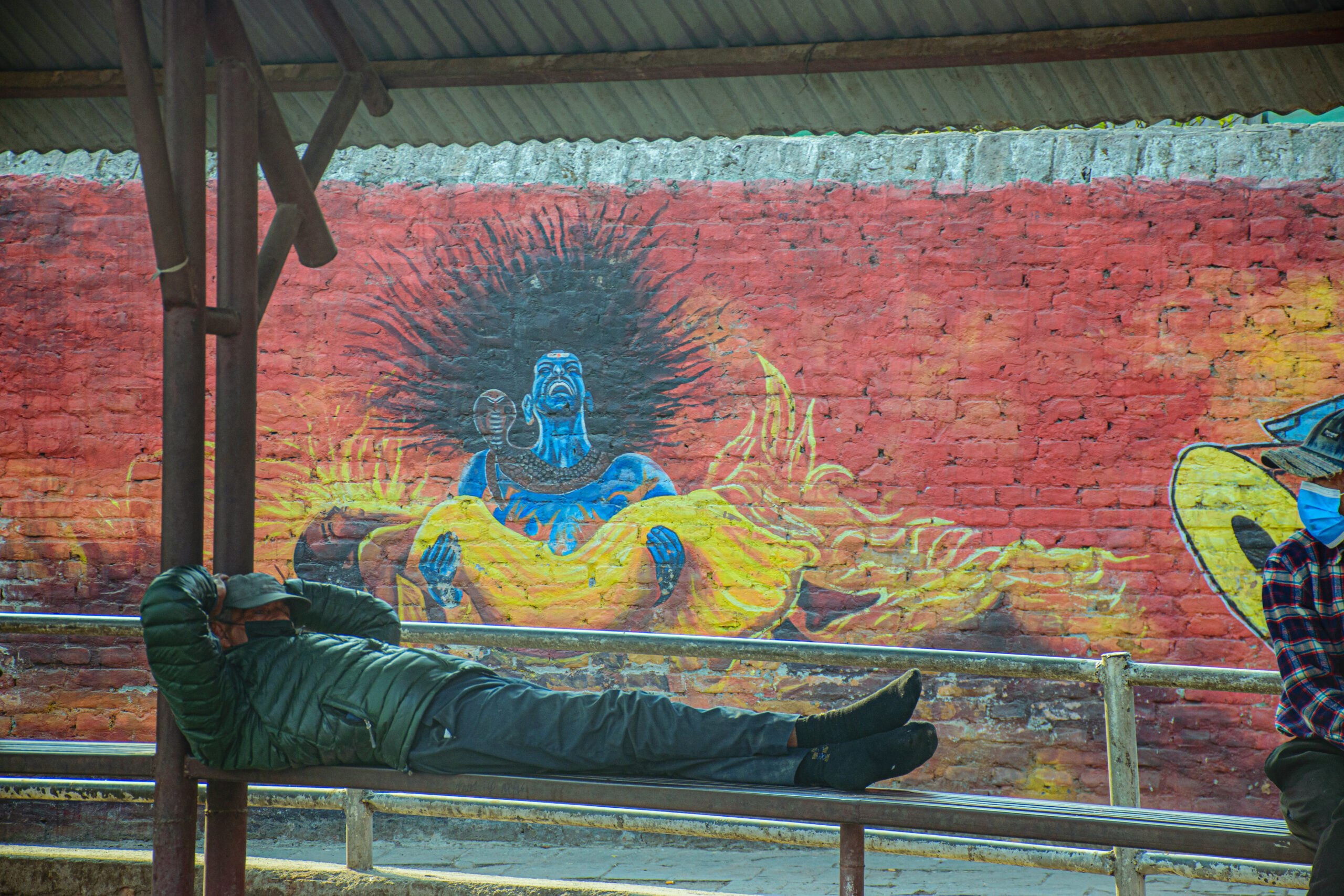
There are five faces of the Shiva Lingam in Pashupatinath Temple representing the five aspects of Lord Shiva as described in Hindu mythology. Each face of the lingam is adorned with different symbols, and has its own significance.
The east-facing face is known as Tatpurusha, representing Shiva’s peaceful and calm nature. It is associated with knowledge, creation, and the morning sun.
The north-facing face is known as Aghora, representing Shiva’s fierce and destructive nature. It is associated with power, destruction, and the night sky.
The west-facing face is known as Sadyojata, representing Shiva’s creative and nurturing nature. It is associated with fertility, sustenance, and the setting sun.
The south-facing face is known as Vamadeva, representing Shiva’s graceful and compassionate nature. It is associated with purity, forgiveness, and the midday sun.
Ishana is the fifth face of Lord Shiva, which is associated with the north-east direction, and is depicted as having a serene and peaceful appearance but unknowable even to the seers. In Hindu mythology, Ishana is often described as the face of Lord Shiva that is unknowable and beyond human comprehension. The term “Ishana” itself can be translated to mean “lord of the northeast”, which is the direction associated with this face of Lord Shiva. This face is considered to be the most mysterious and transcendent aspect of Lord Shiva, representing the ultimate reality and the essence of the universe. Ishana is also associated with the element of ether or space, and is believed to be the source of all sound and vibrations in the universe.
The five faces of Lord Shiva – Tatpurusha, Aghora, Sadyojata, Vamadeva, and Ishana – represent different aspects of Lord Shiva’s personality and are associated with different directions, colors, and elements. Each face has its own unique significance and symbolism, and together they represent the multifaceted nature of Lord Shiva, who is revered as one of the most important deities in the Hindu pantheon. The lingam itself is considered a symbol of the creative energy of the universe and the unification of the male and female principles.
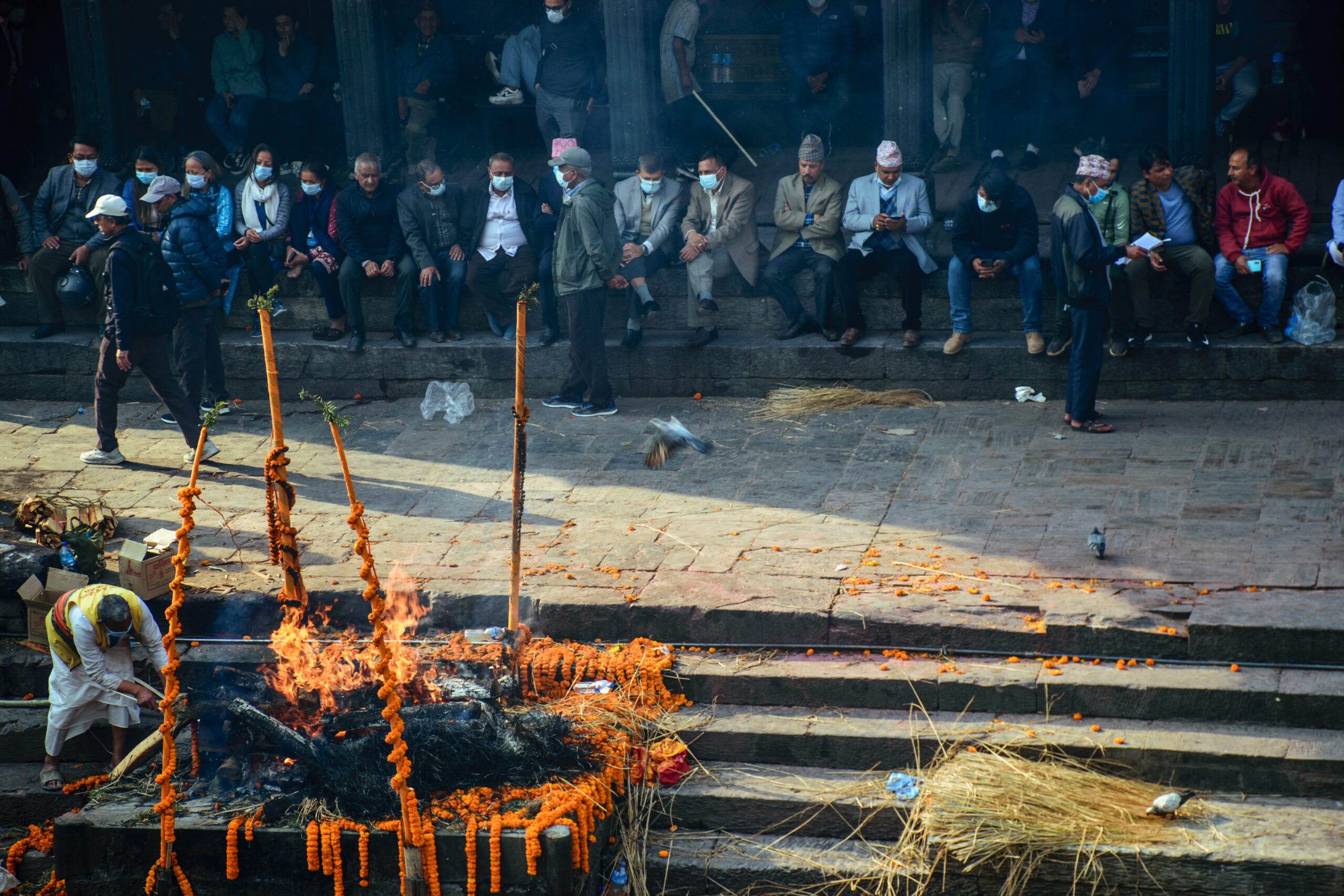
Pashupatinath Temple is also an important site for Hindu cremation rites, with many devout Hindus desiring to be cremated on the banks of the Bagmati River, which flows beside the temple. This is because it is believed that the cremation at Pashupatinath grants the deceased soul a swift journey to the afterlife and a good rebirth.
Maha Shivaratri is also celebrated as a way to bring people together and foster a sense of community. People come together to sing devotional songs, perform rituals, and share food and sweets with each other. In many places, the festival is also marked by colorful processions and other cultural events.
Overall, Maha Shivaratri is a joyous and auspicious occasion for Hindus, and an opportunity to celebrate and honor Lord Shiva, seek his blessings, and connect with others in the community.
(Copyright 2023 Abhi Photography. All rights reserved. Unauthorized use and/or duplication of this material without express and written permission from the owner is strictly prohibited. Excerpts and links may be used, provided that full and clear credit is given to Abhi Photography with appropriate and specific direction to the original content.)